Buying a Brookline condo or a classic-looking brownstone can feel simple from the sidewalk and much more complex on paper. You may love the charm, the brick exterior, or the private porch, but the real ownership details live in the deed, the condo documents, and local rules. If you are thinking about buying in Brookline, it helps to know what you actually own, what you share, and what could affect your future costs or renovation plans. Let’s dive in.
Why building type matters in Brookline
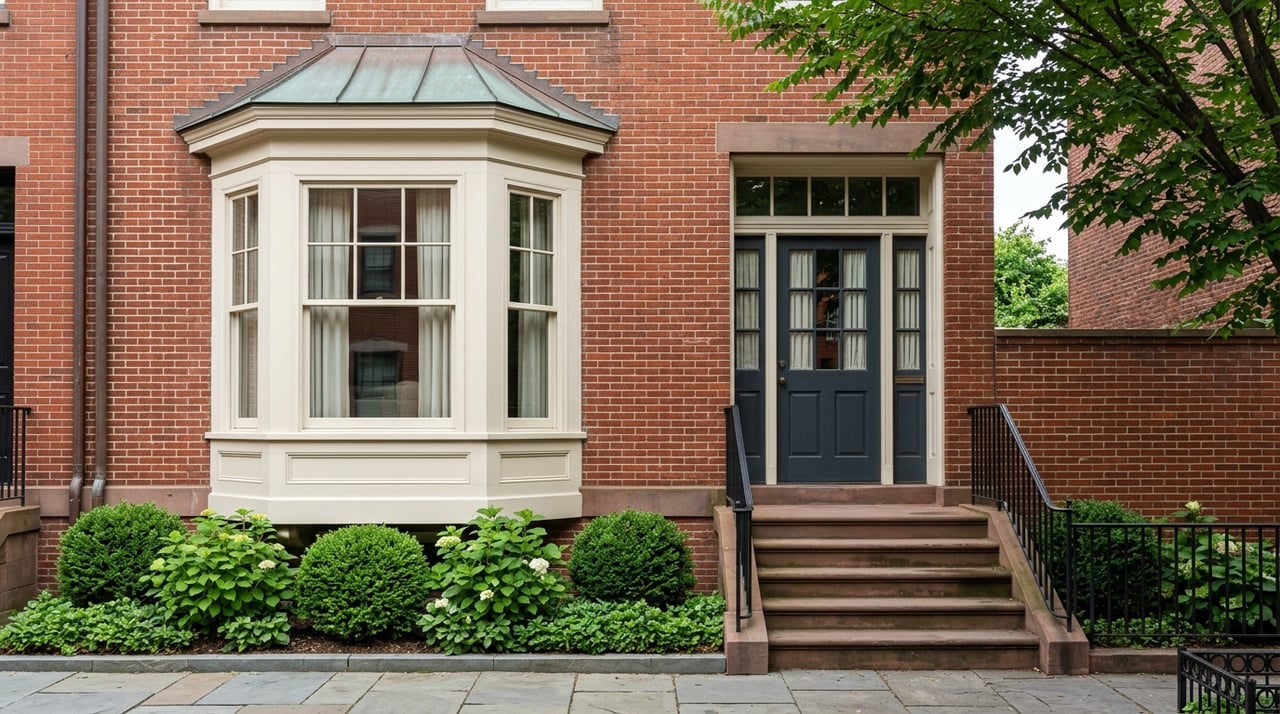
Brookline’s housing stock reflects a long history of residential development, especially from the late 1800s and early 1900s. The town’s older buildings include row houses, brick town houses, duplexes, and early apartment buildings, which is why many buyers use the term “brownstone” as a style label rather than a legal one.
That distinction matters. A home that looks like a private townhouse from the street may actually be part of a condominium with shared governance, shared maintenance, and rules that affect how you use or update the property.
In older Brookline buildings, common features like courtyards, porches, roof areas, and entryways may be shared elements rather than part of your private ownership. That means the legal structure matters more than the exterior appearance.
Brookline brownstone vs condo ownership
“Brownstone” is often an architectural label
In Brookline, “brownstone” usually describes the look and era of a building, not the ownership type. Many attached brick homes and older multi-unit buildings fall into this category visually, but buyers still need to confirm whether the property is a condo unit or another legal structure.
This is especially important when you compare responsibility for repairs, monthly fees, and control over renovations. Two homes that look nearly identical from the outside can come with very different ownership rights and obligations.
Massachusetts condos are defined by recorded documents
In Massachusetts, a condominium is created by recording a master deed under Chapter 183A. Your unit deed gives you the rights and obligations tied to that unit, while the condominium association may be organized as a corporation, trust, or unincorporated association.
The building may also be self-managed or professionally managed. For you as a buyer, that affects how decisions are made, how records are maintained, and how responsive the association may be when issues come up.
What you actually own
Your unit plus a share of common areas
As a condo owner in Massachusetts, you own your individual unit plus an undivided interest in the common areas and facilities. That means you are not only buying interior space. You are also buying into shared ownership of parts of the property that serve the building as a whole.
This can include hallways, roofs, foundations, exterior walls, courtyards, and other shared systems. In a Brookline building with historic character, those shared elements can play a major role in future maintenance costs.
Limited common areas can affect daily use
Massachusetts law also recognizes limited common areas and facilities. These can include balconies, terraces, or storage lockers if the master deed identifies them that way.
That point matters in Brookline, where older attached buildings may offer porches, roof decks, parking rights, or basement storage. A feature you assume is part of the unit may actually be a limited common area with separate rules, maintenance obligations, or restrictions on alterations.
Why condo documents matter so much
The master deed and bylaws are key
The master deed and bylaws are not just formal paperwork. They are the rules that govern how the property operates and what owners can and cannot do.
These documents can contain use restrictions that go beyond the walls of your unit. If you are planning cosmetic changes, larger renovations, or changes to outdoor areas, you need to know what the governing documents allow before you move forward.
Ask for the full document package
Before making an offer, buyers should ask for the core records the association is required to maintain. At a minimum, that includes:
- Master deed
- Bylaws and amendments
- Minute book
- Financial records
- Reserve-fund information
- Contracts for work or services
- Current insurance policies
You should also ask whether the association is self-managed or professionally managed, whether any balconies or storage areas are limited common areas, and whether there have been recent or planned capital projects.
Understanding fees, reserves, and assessments
Monthly fees are only part of the story
In Massachusetts, common expense assessments must be made at least annually based on a budget adopted at least annually, and condo fees are usually paid monthly. The law also allows expenses to be allocated in different ways, including by unit area, location, amenities, and limited common areas.
That means fees can differ from one unit to another in the same building. In Brookline, where older buildings can have varied layouts and features, that is especially relevant.
Reserve strength can shape long-term cost
Massachusetts requires condominiums to maintain an adequate replacement reserve fund that is collected as part of common expenses and kept separate from operating funds. For buyers, this is one of the most important financial details to review.
A modest monthly fee may look attractive at first glance, but if reserves are too low, major repairs can lead to special assessments later. In older Brookline buildings, big-ticket items such as roofs, windows, and shared exterior systems can be expensive, especially when historic materials or shared architectural features are involved.
Confirm the seller is current
Unpaid common expenses can become a lien on the unit. Before closing, buyers should confirm that the seller is current on dues and other charges.
It is a small step that can help avoid a large problem. Clear financial status matters just as much as the condition of the space itself.
Renovation rules in Brookline
Building permits are often required
Brookline requires a building permit for work that constructs, reconstructs, alters, repairs, removes, or demolishes a building or structure, or that installs or alters regulated equipment. If you are buying with renovation plans in mind, this should be part of your early due diligence.
The town also states that wiring, plumbing, and gas work must be performed by individuals licensed by the Commonwealth of Massachusetts. So even smaller upgrade plans may involve more process than buyers expect.
Historic district rules may apply
If a property is located in one of Brookline’s Local Historic Districts, most exterior changes and some landscape alterations require town review. The town’s guidelines specifically call out elements such as windows, doors, trim, steps, porches, roofs, chimneys, gutters, HVAC condensers, pipes, vents, solar equipment, and EV chargers.
For buyers of older condos and attached homes, that means exterior work may involve multiple layers of approval. You may need association approval, town permits, and historic-district review at the same time.
Demolition and major changes can trigger review
Brookline demolition or major tear-down work can trigger historic review before a demolition permit is issued. Even if you are not planning a full redevelopment, substantial changes to an older attached building may involve a more detailed approval path than you would find in newer construction.
That is why it is smart to check district status and renovation limits early, not after you fall in love with a property’s potential.
A practical review checklist for buyers
If you are considering a Brookline condo or brownstone-style home, keep your review focused on a few essentials:
- Confirm the legal ownership type
- Review the master deed and bylaws carefully
- Identify what is part of the unit versus common or limited common areas
- Review the budget, monthly fees, and reserve fund
- Ask about recent or planned assessments
- Confirm whether the association is self-managed or professionally managed
- Check whether the property is in a Local Historic District
- Understand permit and approval requirements for any planned work
- Confirm the seller is current on condo dues and charges
Because condo-law questions and document interpretation are legal in nature, Massachusetts guidance indicates that a real-estate attorney should review the documents before closing. In Brookline’s older housing stock, that review can be especially important.
Why careful guidance matters in Brookline
Brookline condos and brownstone-style homes can offer lasting appeal, architectural character, and a strong sense of place. At the same time, older attached properties often come with more layered ownership details than buyers expect.
When you understand the legal structure, the financial health of the association, and the local approval process, you can make a clearer and more confident decision. If you are weighing condo options or evaluating a classic Brookline property, Judy Korzenowski can help you navigate the details with experienced, local guidance.
FAQs
What does “brownstone” usually mean in Brookline real estate?
- In Brookline, “brownstone” often refers to the architectural style or age of an attached building, not a separate legal ownership type.
What do you own in a Massachusetts condo in Brookline?
- You own your individual unit plus an undivided interest in the common areas and facilities, with some features possibly classified as limited common areas.
What condo documents should Brookline buyers review before making an offer?
- Buyers should review the master deed, bylaws and amendments, minute book, financial records, reserve-fund records, contracts for work or services, and current insurance policies.
Why do reserve funds matter when buying an older Brookline condo?
- Reserve funds help cover future replacement costs for shared building components, which can reduce the risk of special assessments for major repairs.
Do Brookline condo renovations require local approval?
- Many projects require building permits, and properties in Local Historic Districts may also need town review for exterior changes and some landscape alterations.