Thinking about leaving Boston for a more suburban routine without losing your connection to the city? If Natick is on your shortlist, it helps to know that this move is usually less about saving money and more about changing how your days feel. You may gain easier parking, more outdoor access, and a village-style downtown, while trading Boston’s density for a more car-oriented lifestyle. Let’s dive in.
How Natick Feels Different From Boston
Natick is much smaller and less dense than Boston, and that shapes daily life right away. According to U.S. Census QuickFacts for Natick and Boston, Natick also has a higher owner-occupied housing rate and slightly larger households.
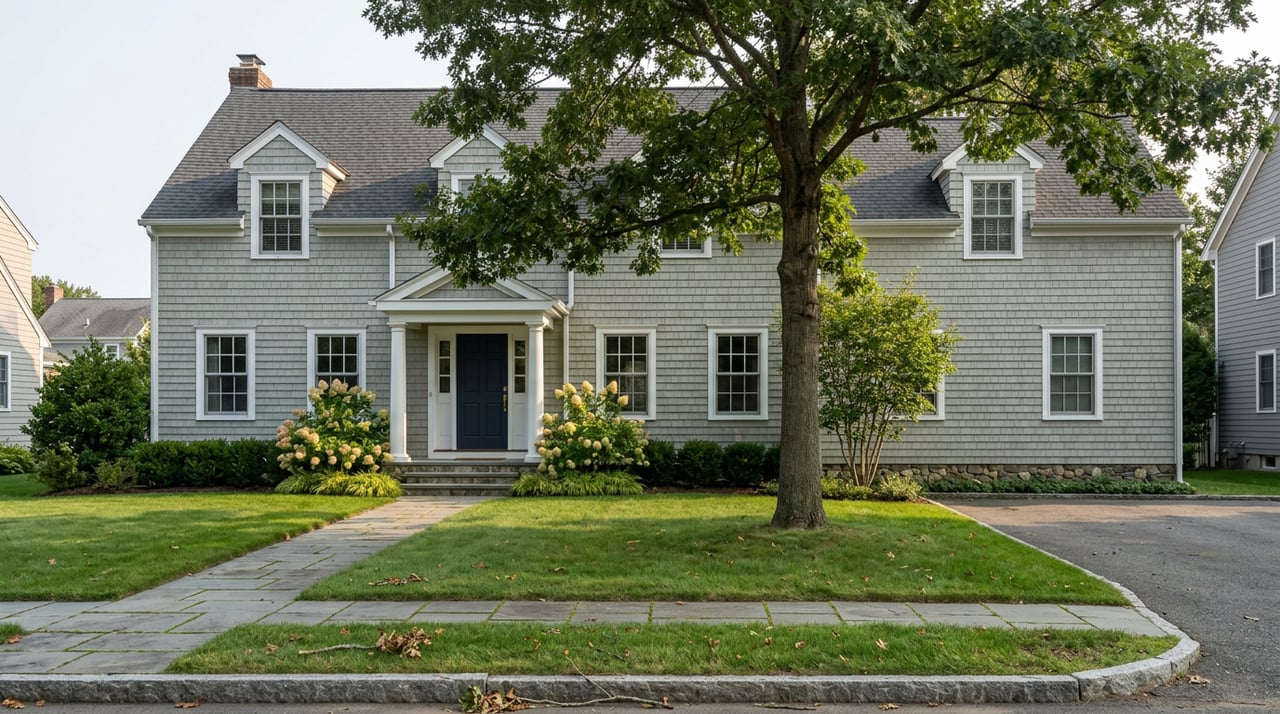
For you, that often means a shift toward more suburban routines. You are more likely to drive, think about parking, and spend time in single-family or townhouse-style settings rather than in a dense city block. Natick still offers activity and convenience, but its rhythm is different.
What Your Commute May Look Like
One of the biggest questions in a Boston-to-Natick move is transportation. Natick is served by the MBTA Framingham/Worcester Commuter Rail Line, with stops at Natick Center and West Natick, both in Fare Zone 4. The town also notes that MWRTA fixed-route, shuttle, and on-demand buses serve Natick, and those services are currently fare free.
If you drive, Natick has practical options that many Boston residents will notice immediately. The town maintains a commuter lot at 73 South Avenue for Natick Center, and West Natick has an MBTA-owned 178-space parking lot with daily parking options, according to the town’s parking and driving information. Major routes include Route 9, I-90, Route 27, and Route 135.
A helpful reality check is that your commute may not automatically get shorter. Census data shows Natick’s mean travel time to work is 30.7 minutes, compared with 30.3 minutes in Boston. In other words, the change is often more about how you commute, including schedule flexibility, parking, and whether you prefer rail or driving.
Housing Costs: Different, Not Always Lower
Many buyers assume a move from Boston to Natick will reduce housing costs. Official Census data suggests that is not always the case. The same Census comparison shows Natick’s median value of owner-occupied homes at $821,000 versus $731,700 in Boston.
Monthly ownership costs tell a similar story. Median monthly owner costs with a mortgage are $3,448 in Natick and $2,986 in Boston, while median gross rent is nearly the same in both places.
That means your tradeoff is often about housing type and lifestyle more than a lower monthly bill. In Natick, you may be looking for more space, a different lot size, or a home style that supports a suburban routine. If you are renting, the financial difference may be smaller than expected.
Natick’s Housing Mix Is Evolving
Even though Natick feels suburban, it is not standing still. The town now allows accessory dwelling units as an accessory unit to a principal one-family dwelling, with adopted permitting rules in place.
Natick is also planning for additional transit-oriented growth. The same town resource explains that the MBTA Communities plan centers a 50-acre district in Natick Center for by-right multifamily and residential mixed-use development, while the West Central Corridor zoning effort focuses on appropriately scaled commercial and mixed-use growth in West Natick.
For you, this means Natick offers more than one version of suburban living. Depending on where you look, you may find a more traditional single-family pattern, or you may prefer an area closer to transit and mixed-use development.
Natick Center Brings a Village Feel
If you worry that suburbia will feel too quiet, Natick Center is worth understanding. The town describes Natick Center as a hub for local businesses and community events, including Natick Nights, Multicultural Day, and the Natick Farmers Market.
This area also includes the Morse Institute Library and the Natick Common, which give downtown a civic and walkable center. Rather than a city-style downtown with block after block of density, Natick Center feels more like a village core where community events, services, and public spaces are close together.
The town is also investing in Main Street improvements in Natick Center to support pedestrian and bicycle safety, wayfinding, lighting, and streetscape design. For someone moving from Boston, that can make the transition easier because there is still a recognizable center of activity.
Daily Life Is More Car-Oriented
One of the biggest lifestyle changes is that errands and routines are usually more car-based in Natick than in Boston. Even with commuter rail and bus access, daily life often includes driving to appointments, shopping, recreation, or regional destinations.
That said, Natick is not isolated. The town’s Community Services page highlights recreation resources, a community organic farm, and a golf course, while the transit page notes connections to Logan Express, regional hospitals, nearby college campuses, and the Natick Mall area through MWRTA service.
For many movers, this creates a useful middle ground. You are not living in the middle of Boston’s transit grid, but you still have meaningful regional connections and a strong set of local services.
Outdoor Space Becomes Part of Your Routine
If outdoor access matters to you, Natick has a clear advantage. The town’s open space and trails information says Natick includes a wide range of open spaces and trails, with more than 400 acres held by the Conservation Commission, over 380 acres owned by the Commonwealth, and more than 500 acres owned by private nonprofit organizations.
The Cochituate Rail Trail is a standout resource. The town describes it as a 3.7-mile shared-use path connecting Natick Center to Saxonville in Framingham, and it is noted as very level and ADA accessible.
You will also find other trail options, access points around Lake Cochituate, and civic outdoor spaces that are easy to use on a regular basis. The Natick Town Common adds another everyday gathering space with a traditional civic green feel.
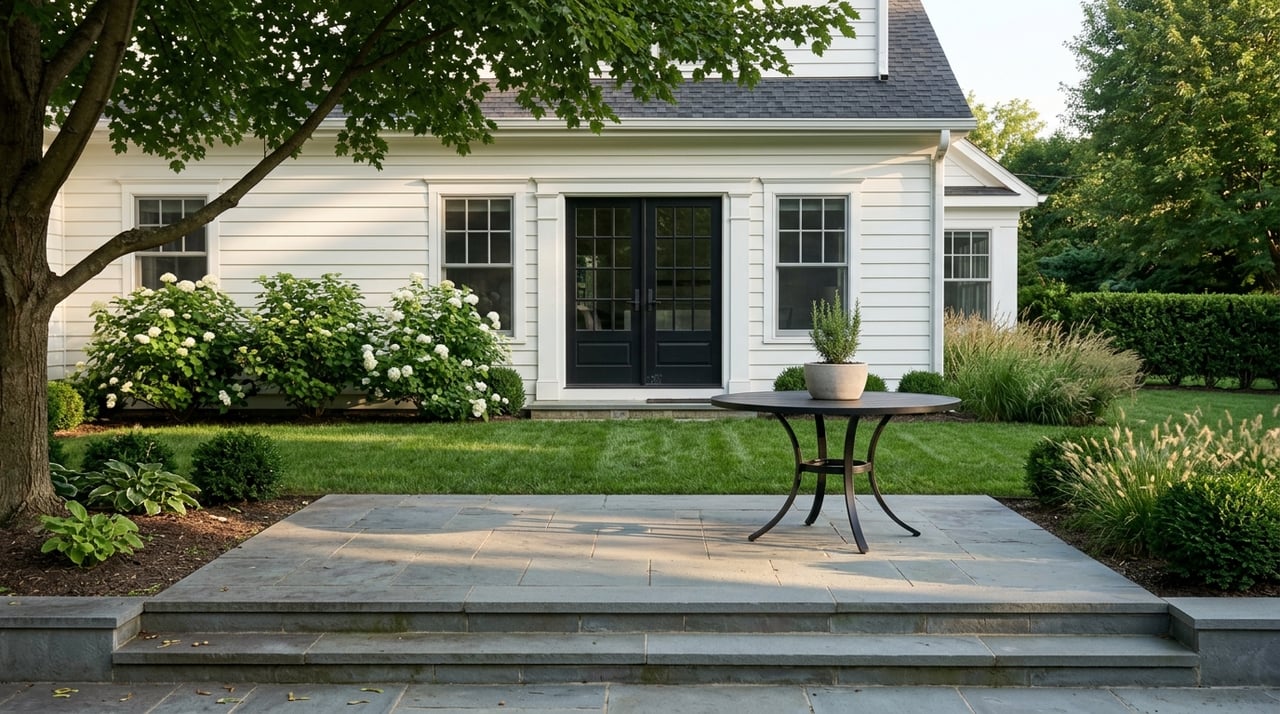
For many former Boston residents, this is one of the most noticeable quality-of-life shifts. Walks, bike rides, and time outside can become more woven into your weekly routine rather than something you plan around city logistics.
What You Gain and What You Give Up
A move from Boston to Natick usually comes with clear tradeoffs. Natick can offer better parking, more outdoor access, and a stronger suburban rhythm, while still keeping you connected to Boston through commuter rail, buses, and major roads.
At the same time, you should not assume lower ownership costs or a shorter commute. The real shift is often about environment and lifestyle. You are trading urban density for more space, more driving, and a village-center feel that many buyers find appealing.
If you are weighing whether that tradeoff fits your next chapter, the right guidance can make the process much clearer. For personalized advice on suburban moves across Greater Boston and MetroWest, connect with Judy Korzenowski.
FAQs
What is the biggest lifestyle change when moving from Boston to Natick?
- The biggest change is usually moving from a dense, transit-heavy city routine to a more suburban lifestyle with more driving, easier parking, and greater access to outdoor space.
Is Natick more affordable than Boston for homebuyers?
- Not necessarily. Census data in the research provided shows higher median owner-occupied home values and higher median monthly owner costs with a mortgage in Natick than in Boston.
Can you commute from Natick to Boston without driving?
- Yes. Natick is served by the MBTA Framingham/Worcester Commuter Rail Line at Natick Center and West Natick, and the town also has MWRTA bus service.
What is Natick Center like for someone moving from Boston?
- Natick Center functions as a village-style downtown with local businesses, community events, the Morse Institute Library, and the Natick Common, offering a walkable area by suburban standards.
Does moving from Boston to Natick mean a shorter commute?
- Not always. The research provided shows mean travel times to work are very similar in Natick and Boston, so the difference is often more about commuting style than total time.
What outdoor amenities does Natick offer for new residents?
- Natick offers open space, trails, the Cochituate Rail Trail, access around Lake Cochituate, and civic outdoor areas like the Town Common that support walking, biking, and everyday recreation.