Thinking about selling your Newton home? In a market where values can vary widely from one village to the next, a successful sale usually takes more than putting a sign in the yard. If you want a strong result, you need a plan that covers pricing, preparation, presentation, and negotiation. Here’s a step-by-step roadmap to help you list with confidence. Let’s dive in.
Understand the Newton market
Newton is not a one-price market. The city is made up of 13 villages, and home values can differ significantly based on location, lot size, architecture, and renovation level.
That local variation matters right from the start. The City of Newton’s FY2026 tax-classification presentation showed median single-family sale prices rising each year from 2016 through 2025, reaching $1.85 million in 2025. The same report also showed a wide range in sales, from a $443,000 sale in Nonantum to a $9 million sale in West Newton Hill.
Current market data continues to place Newton in a high-value suburban tier. In March 2026, Realtor.com reported about 233 properties for sale in Newton, a median sale price of $1.88 million, a median 27 days on market, and homes selling at about 99% of list price.
What does that mean for you? It means well-priced, well-prepared homes can move efficiently, but buyers still pay attention to value. In a balanced market, strong presentation and accurate pricing matter from day one.
Start with a listing consultation
A smart sale begins with a detailed consultation. This is where you evaluate your home’s condition, review likely competition, and map out the best launch timing for your property.
If you are aiming for a polished Newton debut, give yourself several weeks to prepare. Realtor.com found that many sellers got ready to list in one month or less, but a more refined launch often needs time for repairs, staging, photography, floor plans, and required sale-related compliance items.
For many Newton homeowners, timing also connects to seasonal buyer demand. Realtor.com’s 2026 analysis identified April 12 through April 18 as the national best week to sell, and it noted that many buyers want to be settled before the next school year. If you are targeting a spring market entry, it makes sense to begin planning well before your ideal list week.
Price your home by village
One of the biggest mistakes sellers make is relying too heavily on citywide averages. In Newton, that can lead to a pricing strategy that misses the mark.
Instead, your home should be compared to the closest possible group of similar sales. That usually means looking at homes in the same village with a similar style, lot size, square footage, and level of updates.
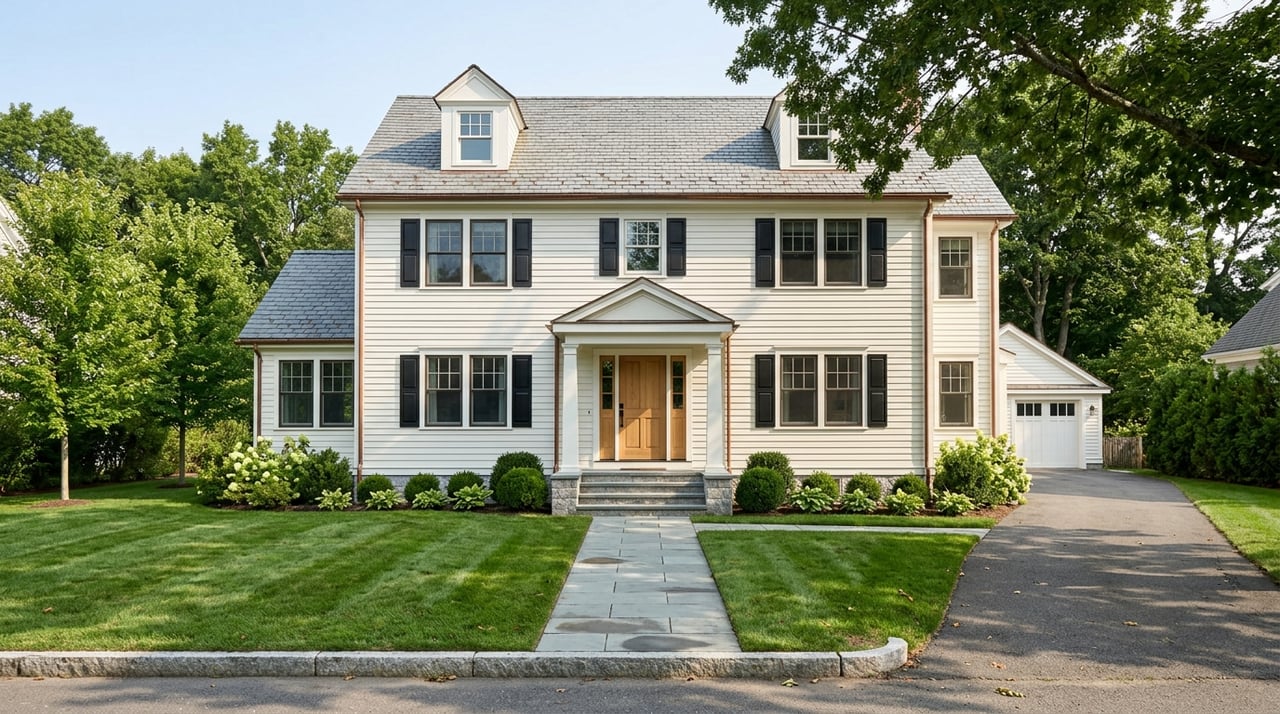
A Colonial in Newton Centre should not automatically be measured against a very different home in another part of the city. Newton’s own market data shows just how broad the pricing range can be, so the most useful comparison is a highly local one.
Pricing also needs to reflect market pace. With homes closing at around 99% of list price and a median of 27 days on market, there is support for well-priced listings, but not much room for wishful overpricing. If you start too high, you may face more days on market and tougher negotiations later.
Prepare your home before launch
Preparation is where momentum starts. Before your home goes live, it should look clean, cared for, and ready for buyers to experience at its best.
This phase often includes small repairs, paint touch-ups, decluttering, and simple updates that improve first impressions. The goal is not to erase your home’s character. The goal is to help buyers focus on space, light, flow, and condition.
For many Newton sellers, this step is especially important because buyers in higher-price segments tend to notice details. A well-prepared home can support your pricing strategy and help your property stand out in a balanced market.
Use staging to sharpen presentation
Staging is one of the most effective tools in a listing plan. It helps buyers picture how rooms can function and feel once they move in.
According to the National Association of Realtors’ 2025 staging profile, 83% of buyers’ agents said staging made it easier for buyers to visualize a property as a future home. The same report found that 49% of sellers’ agents said staging reduced time on market.
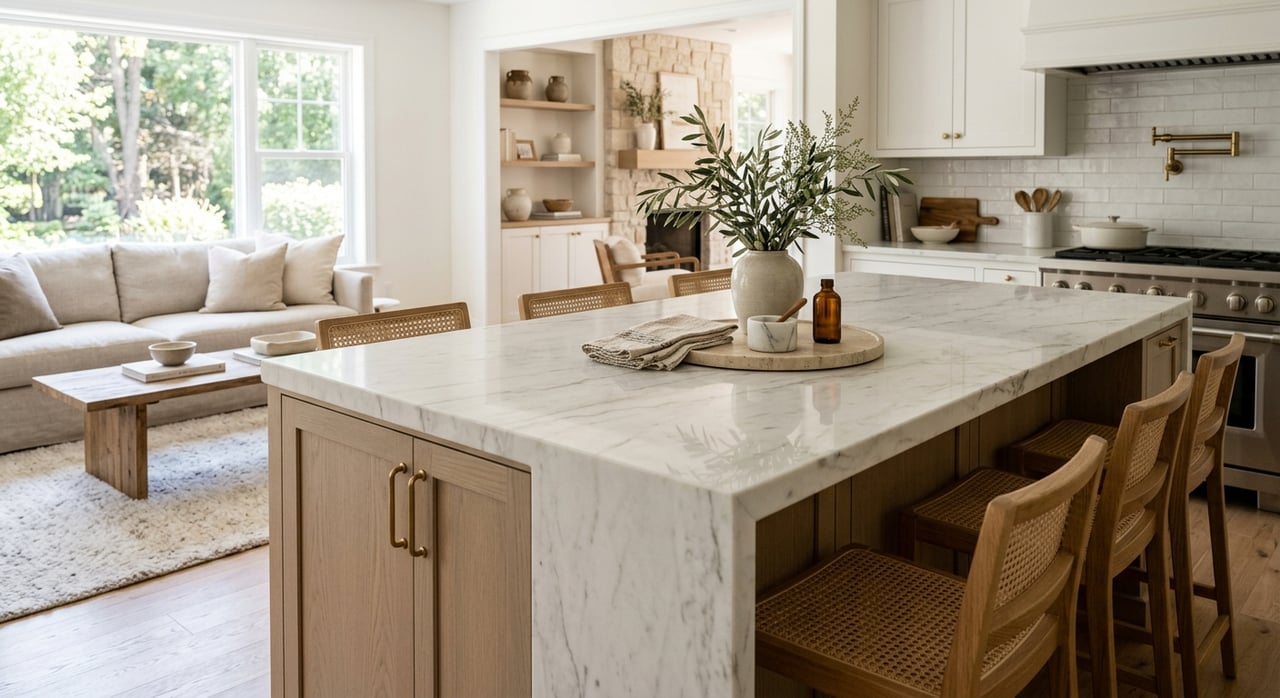
The spaces most commonly staged were the living room, primary bedroom, dining room, and kitchen. That lines up well with how buyers tend to assess a home online and in person. If those key rooms feel polished and cohesive, your entire listing benefits.
For Newton homes, staging does not need to feel overdone. In many cases, a calm, classic presentation works best and highlights the home’s architecture, natural light, and layout.
Invest in professional photography
Most buyers will see your home online before they ever step inside. That makes photography one of the most important parts of your launch.
The National Association of Realtors reports that 81% of buyers consider listing photos the most useful feature when searching online. That means your first photo, room sequence, and image quality all matter.
Professional images can help your home feel more compelling and more memorable. They also support stronger marketing materials across every channel where your listing appears.
For higher-value Newton homes, professional floor plans can also add clarity. When buyers understand the layout before a showing, they often arrive more informed and more serious.
Build a short pre-market runway
A thoughtful pre-market period can help your listing debut smoothly. This is the time to finalize staging, complete photography, prepare floor plans, and assemble marketing materials.
The key is to keep that lead-in controlled and efficient. You want enough time to launch well, but not so much time that your home feels stale before it officially hits the market.
In a balanced market, early impressions carry real weight. The first stretch of days on market often shapes buyer response, so your goal should be to launch when everything is ready, not simply when everything is almost ready.
Plan showings with care
Once your home is active, consistency matters. Showings should be easy to schedule, and your home should remain as photo-ready as possible during this period.
That may mean adjusting routines, limiting clutter, and staying flexible on timing. It is not always easy, but a smooth showing experience can increase buyer interest and improve the strength of offers.
The goal is to create a visit that feels welcoming, clear, and memorable. Buyers are often comparing several homes at once, so details like lighting, cleanliness, and flow can shape how they remember yours.
Review offers beyond price alone
The highest offer is not always the strongest offer. In Newton’s current balanced market, it is important to look at both price and terms.
When reviewing offers, pay close attention to:
- Financing strength
- Inspection contingencies
- Appraisal risk
- Requested closing timeline
- Your likely net proceeds
A well-prepared home may attract strong interest, but today’s market still rewards thoughtful negotiation. If one buyer offers a slightly higher price but weaker terms, another offer may ultimately put you in a better position.
Handle Massachusetts sale requirements early
A smooth closing often depends on early preparation. In Massachusetts, a few seller responsibilities are worth addressing before you are deep into a transaction.
If your home was built before 1978, you must provide the Property Transfer Lead Paint Notification before a purchase-and-sale agreement is signed. This should be treated as a standard checklist item, not something to leave until the last minute.
Massachusetts also requires a smoke and carbon monoxide alarm certificate of compliance for a home sale or transfer. The state recommends scheduling that inspection as soon as you have a closing date.
You should also be aware of certain closing cost items. Massachusetts imposes a deed excise in most of the state at $2.28 per $500 of consideration, and there are separate withholding rules that may apply to some sales of $1 million or more by nonresident sellers. These are good items to review early with your attorney or CPA.
Think of your sale as a project
The most successful Newton listings usually do not happen by accident. They come from a clear process that starts weeks before the home goes live.
In practical terms, that process often looks like this:
- Assess the home and define goals
- Study village-level comparable sales
- Set a realistic pricing strategy
- Complete repairs and presentation work
- Stage the most important rooms
- Capture professional photography and floor plans
- Launch with polished marketing
- Manage showings and negotiate carefully
- Complete required Massachusetts sale items
- Move through closing with a clear timeline
When each step supports the next one, your listing enters the market with purpose. That can make a real difference in both buyer response and final outcome.
If you are considering a move, a white-glove plan can help you feel more prepared from the beginning. For a complimentary consultation and market valuation, connect with Judy Korzenowski.
FAQs
How should you price a home in Newton, MA?
- You should price your Newton home using highly local comparable sales, ideally from the same village with similar size, style, lot characteristics, and renovation level.
How long does it take to prepare a Newton home for sale?
- Many sellers prepare in a month or less, but a polished Newton listing often benefits from several weeks for repairs, staging, photography, floor plans, and sale-related compliance tasks.
What makes the Newton housing market unique for sellers?
- Newton has 13 villages and a wide range of home values, so sellers usually need a neighborhood-specific strategy rather than relying on one citywide average.
Does staging help when listing a home in Newton?
- Yes. Research cited in this article found that staging helps buyers visualize a home and may reduce time on market, especially in key rooms like the living room, primary bedroom, dining room, and kitchen.
What Massachusetts requirements should sellers know before closing?
- Sellers should be ready to provide lead paint notification for homes built before 1978 and obtain a smoke and carbon monoxide alarm certificate of compliance for the sale or transfer.