Is Newton’s luxury home market different from the rest of Greater Boston? If you are planning a sale or purchase at the higher end, you likely feel the stakes are higher and the data is harder to read. You want clarity on price ranges, timelines, and what actually moves serious buyers to act. In this guide, you will learn how to define luxury in Newton, how to read the numbers that matter, what drives competitive offers, and how to prepare for success whether you are selling or buying. Let’s dive in.
What counts as “luxury” in Newton
Two practical ways to define it
- Percentile view: Look at the top 10 to 20 percent of Newton sale prices over the last 12 months. This adjusts as the market moves and keeps your analysis current.
- Dollar-threshold view: Use a clear price label, often in the $1.5 million to $3 million range or higher. This is easier for consumers to recognize and compare.
Using both views side by side gives you a fixed label for communication and a dynamic view for analysis. It also helps you avoid confusion when prices shift season to season.
Why the definition matters
- Inventory and comps: The number of listings at the top end is smaller, so month-to-month swings can look dramatic. A few outlier sales can move medians.
- Buyer profiles: Luxury buyers often use cash or jumbo financing, and they manage contingencies differently than the broader market.
- Marketing and pricing: Pricing strategy, staging, and media quality are critical at the high end. Presentation affects time on market and final price.
What luxury looks like in Newton
Common property types
- Larger single-family homes with 4 or more bedrooms and 3 or more baths.
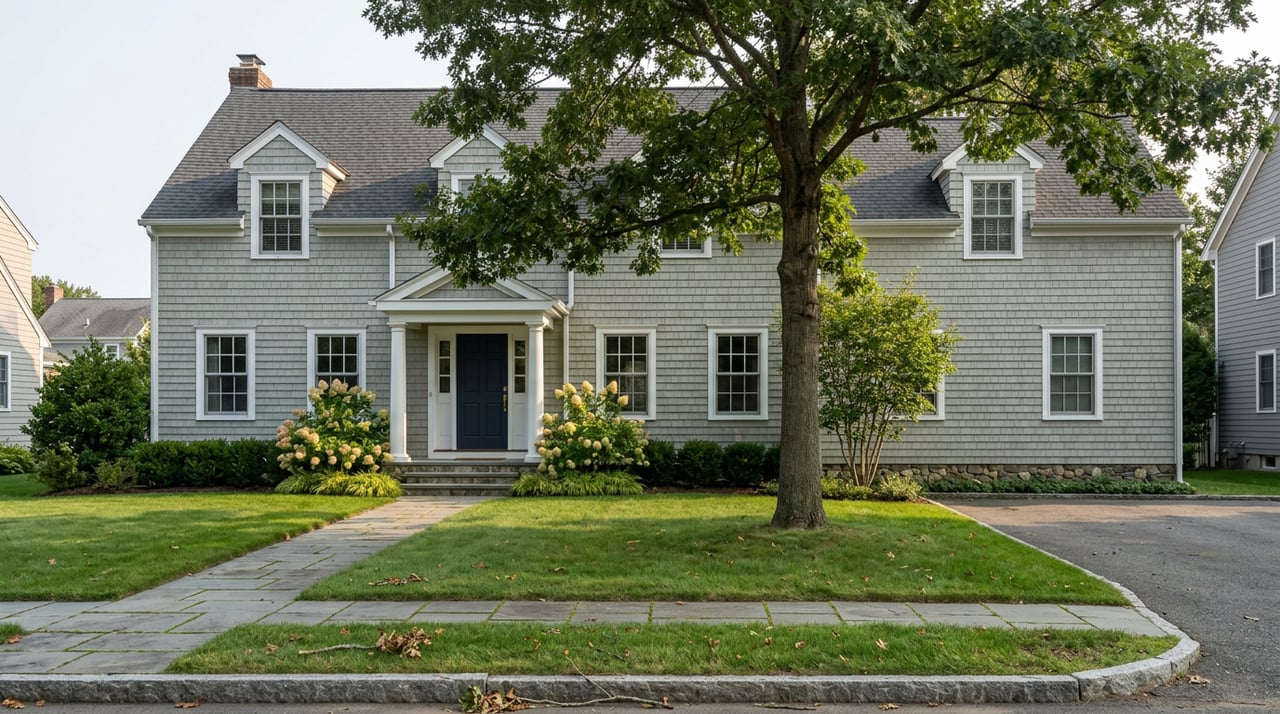
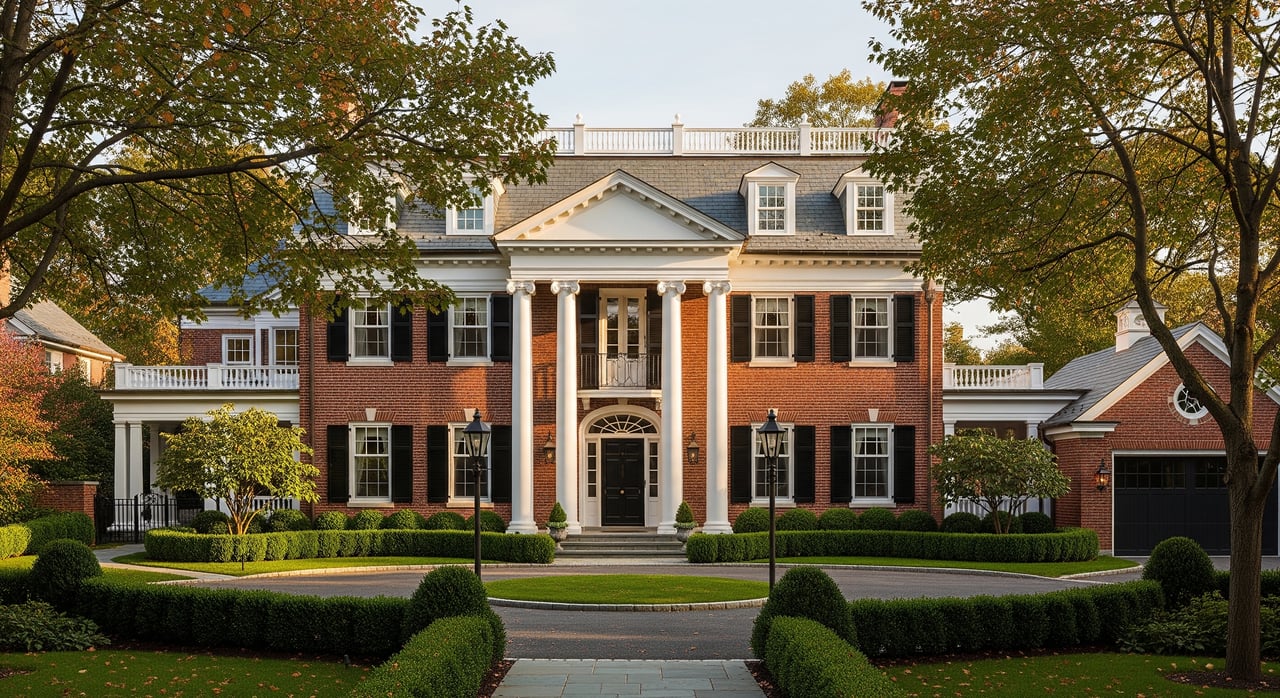
- Substantial historic properties, including Colonial, Tudor, and Victorian homes in established villages.
- Renovated or custom new builds with modern systems and high-end finishes.
- Homes with larger lots, privacy, outdoor amenities like terraces, fenced yards, or pools.
- Select luxury condos or townhomes near desirable village centers.
Village patterns and micro-markets
Newton’s luxury inventory tends to cluster in and around Newton Centre, Newtonville, Chestnut Hill, Waban, West Newton, and parts of Auburndale and Newton Highlands. Proximity to commuter rail, Green Line access, and quick Mass Pike connections often adds value for buyers with Boston or Cambridge commutes. Public school assignment areas and nearby conveniences can also influence buyer interest. Within each village, micro-markets exist where historic streets or pocket neighborhoods may trade at a premium relative to nearby blocks.
Metrics that actually matter at the top end
Inventory and months of supply
Active luxury listings and new monthly listings show the pace of fresh options. Months of supply helps you gauge balance between buyers and sellers, but it can be jumpy in a thin market. Pair the count of active listings with a 3 to 6 month rolling average for months of supply to avoid false precision.
Days on market and list-to-sale ratio
Median days on market (DOM) shows how quickly top-end homes are moving. The list-to-sale price ratio shows whether homes close near asking or require discounts. Both metrics are sensitive to property quality and pricing decisions, so compare like to like in your village and price band.
Price per square foot and true comparables
Price per square foot is useful for trends, yet it should be adjusted for lot size, condition, layout, and privacy. A renovated home with a thoughtful floor plan can command a higher rate than a larger but less functional property. Anchor your view with several recent comparable sales that share core features.
Financing mix and contingencies
Luxury transactions often include a higher share of cash or jumbo loans. When financing is involved, appraisal gaps can appear if comparable sales are limited. Contingencies vary by submarket conditions, and stronger offers may use fewer contingencies or accelerated timelines to stand out.
Seasonality in Newton’s luxury market
Newton follows a familiar New England rhythm. Spring and early summer usually bring more listings and buyer activity, while winter tends to slow. Top-tier buyers, however, may transact year-round when the right property appears. If you are marketing a standout home, timing still matters, but presentation and pricing can outweigh seasonality.
What speeds up or slows down a sale
Property-level drivers
- Condition: Turnkey homes with updated kitchens, baths, and major systems tend to sell faster and closer to asking.
- Layout and function: Flexible spaces, dedicated offices, and well-placed mudroom or laundry areas are important to many buyers.
- Lot and privacy: Larger yards, terraces, pools, and mature landscaping are powerful differentiators.
- Historic considerations: Designation or restrictions can limit renovations, which may deter some buyers, while character may attract others.
- Parking and garages: Multi-car options are valuable, especially for commuting and household logistics.
Location and daily-life factors
Proximity to rapid transit, commuter rail, and Mass Pike access often supports demand. Village walkability to shopping and dining can broaden the buyer pool. Public school assignment areas are a common consideration for many households.
Market and macro conditions
Interest rates, especially for jumbo loans, affect budgets and timelines. Employment trends in Boston and Cambridge sectors like tech, biotech, and finance can support premium demand. Equity market shifts can influence purchasing power and urgency at the high end.
Transaction mechanics and buyer behavior
Luxury purchases often involve attorneys throughout the Massachusetts closing process. Appraisal gaps may require creative solutions when comps are scarce. In faster pockets, you may still see escalation clauses and tight timelines. In slower niches, negotiation on price and terms is more common.
Marketing and presentation
At the top end, professional photography, drone or video, floor plans, and 3D tours are expected. Targeted outreach to broker networks helps reach qualified buyers quickly. Private previews and appointment-only showings can maintain control and elevate the experience.
Common risks that extend timelines
- Permit or code issues, including unpermitted work.
- Discovery of major structural or system problems.
- Appraisal shortfalls for unique properties.
- Title or boundary disputes that delay closing readiness.
If you are selling a luxury home
Set a price range the right way
Use both the percentile approach and a clear dollar label to frame expectations. Layer in 3 to 6 recent comparable sales that mirror your home’s village, lot size, square footage, updates, and style. Adjust thoughtfully for condition and outdoor amenities. In a thin market, emphasize a range, not a single point.
Prep and presentation checklist
- Conduct a pre-listing walkthrough to identify high-impact updates and repairs.
- Prioritize kitchens, baths, paint, lighting, hardware, and landscaping refresh.
- Verify permits and documentation for any additions or major changes.
- Obtain professional staging to define spaces and enhance scale perception.
- Invest in premium photography, video, floor plans, and, when appropriate, 3D tours.
- Prepare a property book that highlights features, upgrades, systems ages, and utility info.
- Plan for pre-inspections if that could reduce buyer uncertainty.
Launch and showing strategy
Start with premium media and tight copy that highlights differentiators that buyers value. Use targeted distribution across luxury channels and leverage broker networks for previews. Consider appointment-only showings and curated open houses for qualified visitors. Align pricing with your first two weeks of exposure to capture peak attention.
If you are buying a luxury home
Be financing-ready
If you plan to finance, secure a strong jumbo pre-approval and understand appraisal expectations. If you are considering cash, prepare proof of funds to submit with your offer. Ask your lender about rate options and timing so you can act quickly when the right property appears.
Write a strong, thoughtful offer
- Match your terms to seller priorities, such as closing timeline or lease-back.
- Limit contingencies only where you are comfortable and protected.
- Include proof of funds and a tailored cover letter that focuses on the property.
- Use an escalation clause when the submarket is clearly competitive.
- Consider a pre-offer inspection or short inspection window when prudent.
When to expect competition
Fresh, turnkey listings in high-demand villages often draw multiple buyers. Unique estates and homes with rare outdoor amenities can also attract strong interest. In slower pockets or off-peak months, you may have more room to negotiate on price and terms.
How to read Newton market updates like a pro
- Clarify scope: Confirm whether the data reflects citywide Newton sales, your village, or a specific price band.
- Favor rolling periods: Use 6 to 12 month rolling averages to reduce noise from small sample sizes.
- Track the right metrics: Inventory, months of supply, median DOM, list-to-sale price ratio, and price per square foot.
- Compare like for like: Align comps by village, lot size, square footage, age, updates, and special features.
- Watch the trend, not just the snapshot: A single month rarely tells the story in a thin market.
Your Newton luxury advisor
If you want a clear plan to price, prepare, and present your Newton home to the right buyers, or you want a thoughtful path to your next purchase, you deserve a high-touch approach. Judy pairs deep neighborhood knowledge with white-glove staging, premium media, and targeted luxury distribution that reaches serious buyers. For a private conversation and a complimentary market valuation, connect with Judy Korzenowski.
FAQs
What price range counts as luxury in Newton?
- Many analyses pair a percentile view, such as the top 10 to 20 percent of Newton sales, with a clear price label, often starting between $1.5 million and $3 million or higher, depending on current conditions.
How long does it take to sell a luxury home in Newton?
- Timelines vary by season, village, condition, and pricing strategy. Rolling averages of days on market give a better read than single-month snapshots in this thin segment.
Will I get over asking on a Newton luxury listing?
- It depends on pricing relative to recent comps, presentation quality, and current inventory. In competitive pockets you may see escalation and strong terms, while slower niches lean toward negotiation.
Do Newton luxury buyers use cash more often?
- The top end often has a higher share of cash or jumbo financing compared with the broader market. Proof of funds and strong pre-approvals help offers stand out.
Which upgrades and staging deliver the best return?
- Focus on high-visibility items like kitchens, baths, paint, lighting, curb appeal, and professional staging. Clear documentation of upgrades and systems ages also reduces buyer uncertainty.
Does historic status affect saleability and price?
- Historic designation can limit certain renovations, which may deter some buyers, while character and architectural detail can attract others. Disclose restrictions and highlight strengths in your marketing.
How do schools and commute times influence offers in Newton?
- Public school assignment areas, transit access, and commute convenience are common factors for many buyers. Homes near village amenities and major routes often see broader interest.