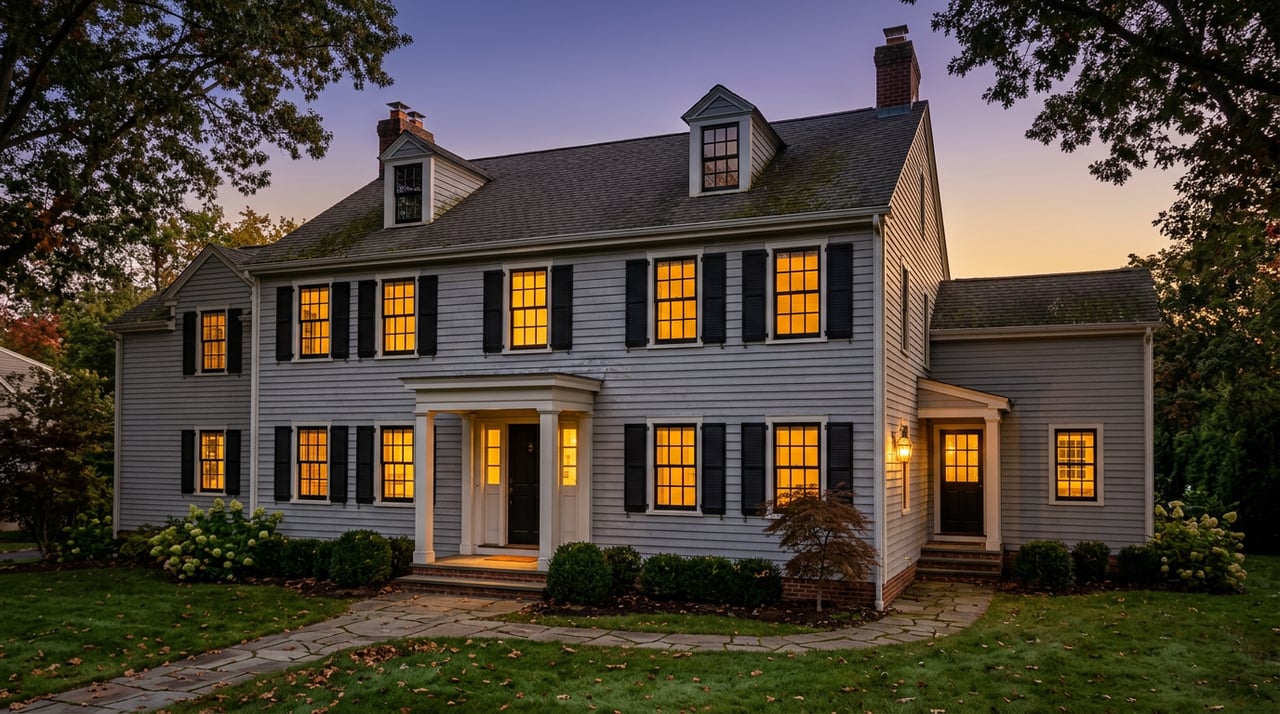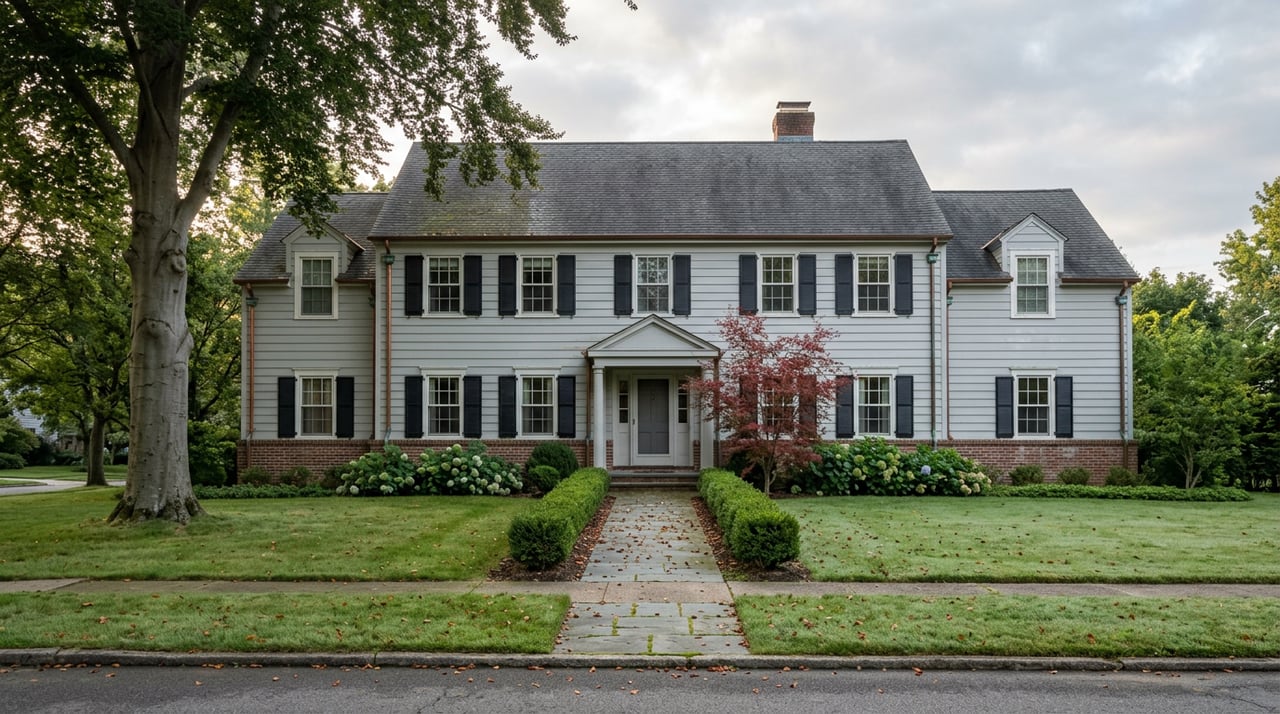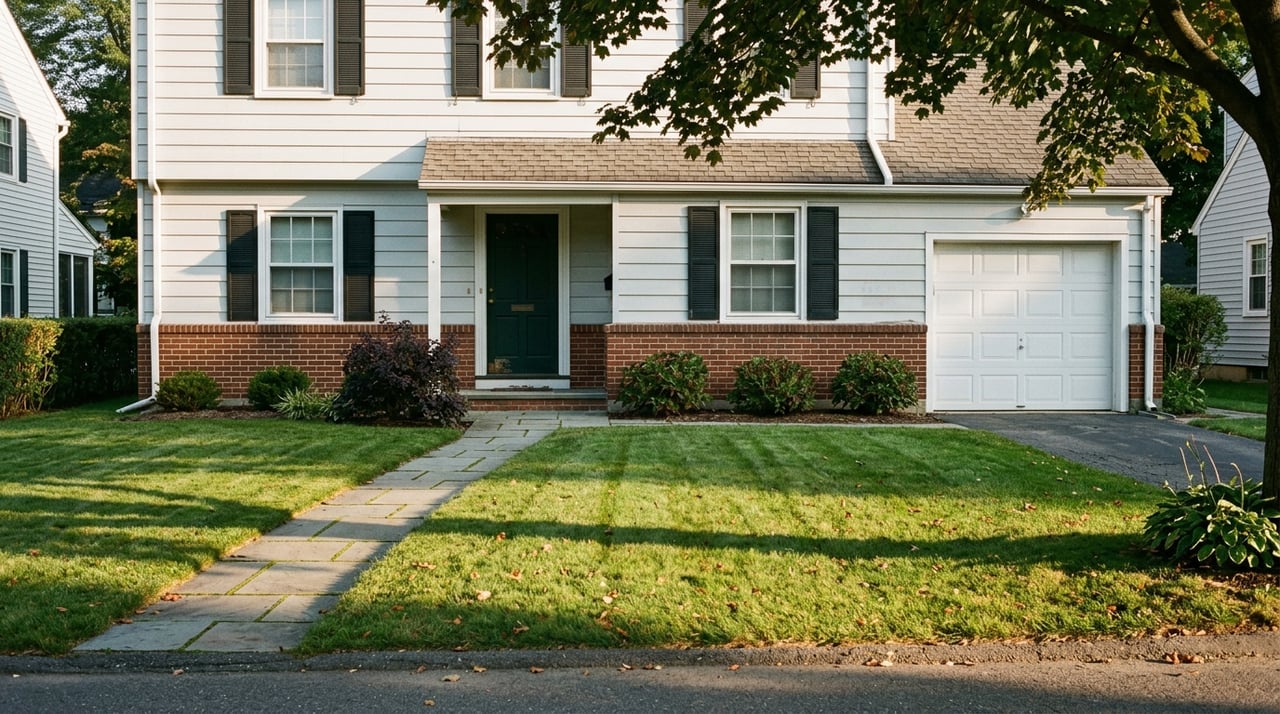
Thinking about selling your Newton home but not sure when to list? Timing can shape your days on market, your buyer pool, and your final sale price. You want a plan that fits Newton’s real market rhythm and your life. In this guide, you’ll learn how seasonality works here, what prep to start and when, and how to align your sale with the right buyers. Let’s dive in.
Newton’s seasonal market at a glance
Newton follows Greater Boston’s typical cadence, with a clear spring peak and a smaller fall surge.
- Spring, March to May: Historically the busiest months for new listings and buyer activity. Families aim to shop in spring so they can close before summer ends. Expect strong traffic and more competition.
- Early summer, June to mid July: Still active, especially for buyers who want to move during summer break. Late July and August often slow as people travel.
- Fall, September to October: A secondary peak. Many buyers who started in spring return, and new fall transfers arrive. Inventory is usually lower than spring, which can help well-presented homes stand out.
- Winter, November to February: Lower volume but more motivated buyers. Thin inventory can work in your favor with accurate pricing and polished presentation.
How school and commute shape demand
Two big drivers shape Newton’s timing: schools and access to Boston and Cambridge.
- School calendar: Families often target a late summer closing so children can start school on time. That creates concentrated demand in spring and early summer.
- Commute and employment: Newton’s proximity to Cambridge and Boston attracts professionals who may move with job start dates, often late summer or early fall. Some hybrid and remote workers are more flexible, so demand can run year-round.
- Luxury and condos: Luxury buyers shop throughout the year, with higher activity in spring and fall. Condo demand can be steadier year-round, influenced by younger buyers and investors.
Choosing your month: key tradeoffs
Every season can work when strategy, pricing, and presentation are tight. Consider these tradeoffs:
- Spring listing: Highest buyer traffic, yet you’ll face more competing listings. You must stand out on pricing, staging, and media.
- Fall listing: Strong intent, often fewer competing homes. Well-prepped homes can draw competitive offers.
- Winter listing: Fewer buyers, but less competition. Works best with attractive pricing, flexible terms, and standout presentation.
- Rate and inventory shifts: Mortgage rate moves and changing inventory can tilt leverage. Confirm current conditions right before you list.
Prep timeline for top dollar
Plan backward from your ideal list date. The scope of your prep sets your start line.
- Minor prep: Declutter, deep clean, basic touchups, and staging: 2 to 4 weeks.
- Moderate prep: Cosmetic updates, landscaping, professional staging, and small repairs: 4 to 8 weeks.
- Major prep: Renovations or permit work: 8 to 16-plus weeks. Start early so you don’t miss your target season.
- Luxury listings: Custom media, print collateral, and broker previews often require 6 to 12 weeks.
Key pre-market tasks and typical timing:
- Strategy and pricing meeting: 1 week for comps and pricing plan.
- Declutter and deep clean: 1 to 2 weeks.
- Minor repairs and paint touchups: 1 to 3 weeks, contractor dependent.
- Landscaping and curb appeal: Time plantings and cleanup 1 to 2 weeks before photos.
- Professional staging: Plan 2 to 3 weeks ahead; install takes 1 to 3 days.
- Pre-listing inspections, if used: 1 to 2 weeks for scheduling and reports.
- Photography, virtual tour, drone: Book 1 to 2 weeks ahead; mind weather and seasonal light.
- Marketing build: 1 to 2 weeks for property pages, print, and digital campaigns.
- Coming soon period: If allowed by your MLS, 1 to 2 weeks can help build interest.
August school start: sample plan
Want to close by late August so kids start smoothly?
- Target list date: April to early May.
- Begin prep: 8 to 12 weeks earlier to allow for repairs, staging, and media.
- Closing buffer: Typical 30 to 60 days from offer to close.
Avoid spring crowds: fall plan
Prefer less competition but still active buyers?
- Target list date: September.
- Begin prep: June or July. Line up contractors early due to summer schedules.
- Media timing: Capture late summer curb appeal before leaves drop.
Quick off-season sale: winter plan
Need a faster, lower-competition window?
- Target list date: Mid November to February.
- Begin prep: 4 to 6 weeks ahead.
- Focus: Aggressive pricing, warm interior staging, and flexible terms.
Make the first two weeks count
The first 10 to 14 days often set the tone for your sale. Coordinate every detail to maximize exposure.
- Media ready on day one: Professional photos, floor plans, and tours should launch together.
- Marketing blitz: Listing syndication, broker previews, targeted email, and social promotion concentrated in week one.
- Open houses: Schedule early, gather feedback, and adjust quickly if needed.
- Weather and light: For spring, photograph after trees and bulbs emerge. For fall, capture color before leaves drop.
Align to your buyer segment
Understanding your likely buyer helps you choose timing and messaging.
- Families with school-age children: Prioritize spring to early summer. Emphasize practical features and proximity to transit.
- Cambridge and Boston commuters: Active year-round, with peaks in spring and early fall. Highlight Green Line, commuter rail, and highway access.
- Downsizers and empty nesters: Often prefer late spring or fall. Focus on ease of living and maintenance.
- Luxury buyers: Less calendar constrained, active year-round. Presence in luxury channels and broker networks matters most.
- Condo and investor buyers: More consistent timing, guided by financing or rental cycles.
Neighborhood nuance across Newton
Each Newton area has its own tempo and price band. Calibrate timing with hyper-local comps.
- Transit access: Homes near the Green Line, commuter rail, Route 128-I-95, and MA-9 can draw commuter-focused buyers whose timing may differ from families.
- Micro-markets: Neighborhoods like Newton Centre, Waban, West Newton, Nonantum, Newton Highlands, and Chestnut Hill attract varied buyer profiles. Review neighborhood data rather than citywide averages.
- Property type: Single-family homes and condos can follow different seasonal curves. Condos may see steadier activity.
Watch these market signals
Check fresh, local data right before you go live to confirm timing.
- Months of inventory: Lower supply favors sellers. Rising supply can mean more price sensitivity.
- Days on market: Shortening DOM signals strong demand. Lengthening DOM suggests caution and potential pricing or marketing adjustments.
- List-to-sale price ratio: Above-list outcomes signal a strong market. Use this to guide pricing strategy.
- New listings versus pendings: If pendings outpace new listings, buyer demand is strong. If new listings stack up, competition is building.
- Mortgage rate trends: Sudden rate increases can cool demand. Coordinate with your agent and lender on timing.
Common pitfalls to avoid
- Waiting too long to book pros: Contractors, stagers, and photographers fill quickly in prime seasons. Reserve early.
- Listing before prep is complete: Launch only when your home and marketing are fully ready.
- Misreading the micro-market: Citywide stats can hide neighborhood differences. Use local comps.
- Ignoring weather: Build flexibility for photos and open houses during New England’s changeable seasons.
- Skipping a final market check: Ask for a market snapshot the week before you list to validate the plan.
Your next step
With the right timeline and presentation, you can sell well in any season. If you want a calm, well-managed sale that aligns with Newton’s market rhythm, a concierge plan will help you hit the window that fits your goals. From complimentary consultations and professional staging to photography, floor plans, and targeted luxury marketing, you’ll get a full-service approach tailored to your property and neighborhood.
Ready to map your timing and prep plan? Connect with Judy Korzenowski to request your complimentary consultation and market valuation.
FAQs
Selling in Newton: what is the best month?
- There is no single guaranteed month, though spring often brings the most buyer traffic. Confirm neighborhood data, inventory, and rates before choosing.
Newton home prep: how far in advance?
- Minor prep takes 2 to 4 weeks, moderate updates 4 to 8 weeks, and larger projects 8 to 16-plus weeks. Start earlier to target a specific listing window.
Pre-listing inspection in Newton: is it worth it?
- It can reduce surprises, inform pricing, and speed negotiations. Budget 1 to 2 weeks for scheduling and report review if you choose to do one.
Off-season listing in Newton: will price suffer?
- Not necessarily. While buyer volume is lower, inventory usually is too. Success comes from accurate pricing and standout presentation.
Newton listings: why are the first two weeks critical?
- Most buyers and brokers focus on new listings first. Concentrated marketing and polished media in days 1 to 14 can drive stronger offers.
Mortgage rates and timing in Newton: do they matter?
- Yes. Higher rates can cool demand and lower affordability. Monitor trends and adjust your timeline with current market guidance.