Love the charm of a Newton Victorian or the clean lines of a Mid-Century, but not sure what it really takes to buy or sell one? You are not alone. Newton’s villages hold a rich mix of historic home styles, each with its own strengths, quirks, and best practices for updates and presentation. In this guide, you will learn how to identify four common styles in Newton, what to inspect, which upgrades make sense, and how to stage for today’s buyers. Let’s dive in.
Newton’s historic fabric at a glance
Newton’s housing tells the story of Boston’s growth. Many streets near village centers and early rail hubs showcase late‑19th and early‑20th century homes, while later subdivisions include Mid‑Century designs. You will see Colonial Revivals and Victorians around places like Newton Centre, West Newton, and Newton Highlands, and Tudor Revivals in early 20th‑century suburbs including Chestnut Hill and Waban. Mid‑Century homes appear in post‑war neighborhoods and select architect‑designed pockets across the city.
Before planning exterior changes, check local requirements. Newton has designated historic districts and preservation commissions that may review visible exterior work. Federal and state historic tax credits exist in limited cases and follow specific rehabilitation standards. The practical first step is to contact the City’s Building Department and local preservation authorities to confirm what applies to your property.
Colonial and Colonial Revival
How to spot a Colonial
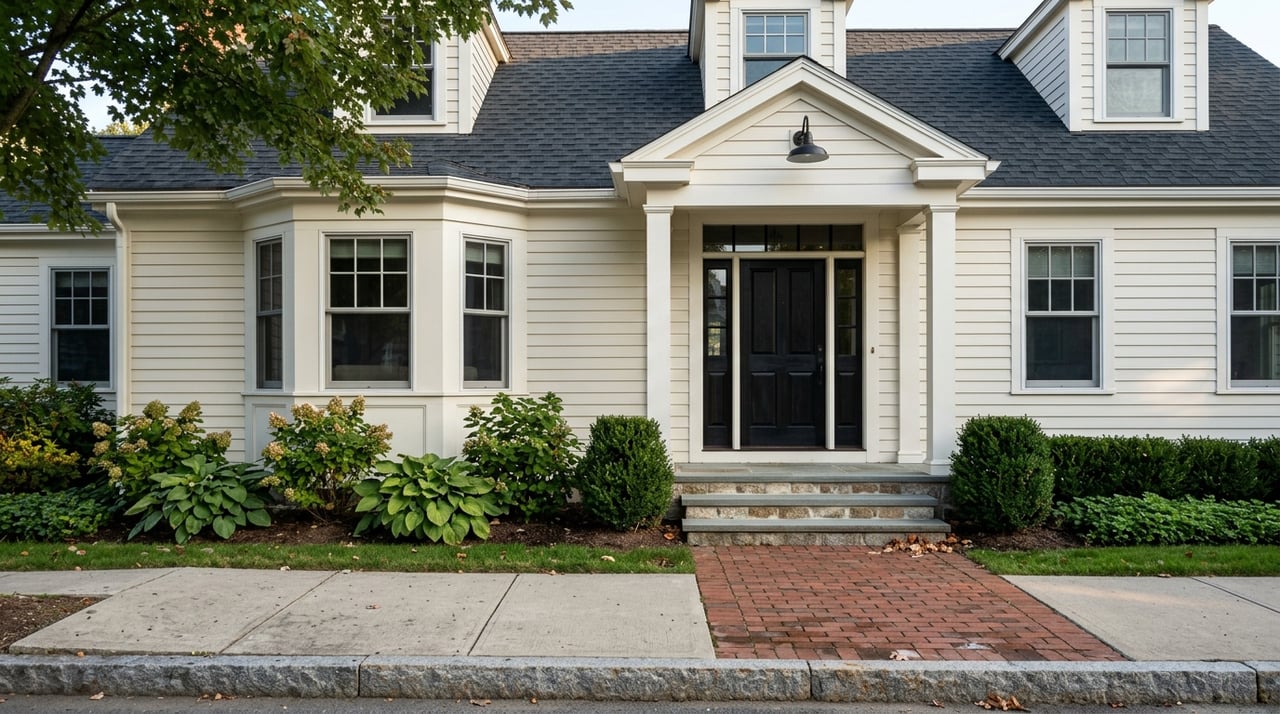
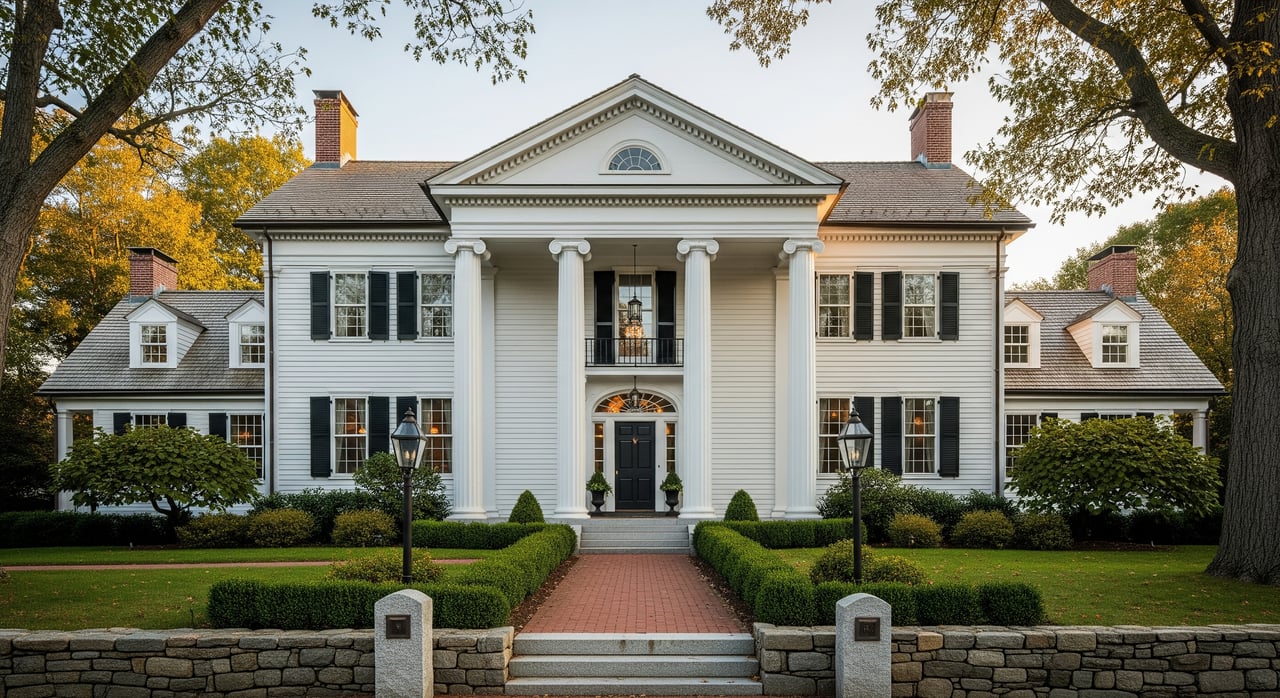
Colonials are known for a symmetrical façade, often with a centered front door and double‑hung sash windows. You will usually see a gabled roof and clapboard or brick exteriors with modest ornament. Inside, expect a formal entry hall, a central stair, distinct rooms, and original woodwork or built‑ins.
What to inspect first
Look closely at older wood windows for failing glazing putty and rot in sills or frames. In very old examples, ask your inspector about knob‑and‑tube wiring, aging plaster, and original boilers or steam radiators. Check wood siding and trim for moisture damage, and review any signs of foundation settling.
Upgrades that fit the style
Preserve original windows when feasible, then add interior or exterior storms to improve efficiency. Insulate the attic and air seal around chimneys, doors, and recessed lights; add wall insulation where appropriate. Modernize electrical service to meet current loads and evaluate a high‑efficiency boiler or heat pumps for improved comfort. When updating kitchens and baths, keep trim profiles and built‑ins to retain the home’s character.
Resale and staging tips
Buyers often respond to the balance and classic proportions of a Colonial. Refresh original woodwork, use traditional paint palettes, and stage to highlight the flow between living and dining rooms. Kitchens and bathrooms remain key value drivers, so thoughtful updates typically return more than cosmetic-only changes. For houses built before 1978, plan for lead paint disclosures and safe practices during any renovation.
Victorian homes
How to spot a Victorian
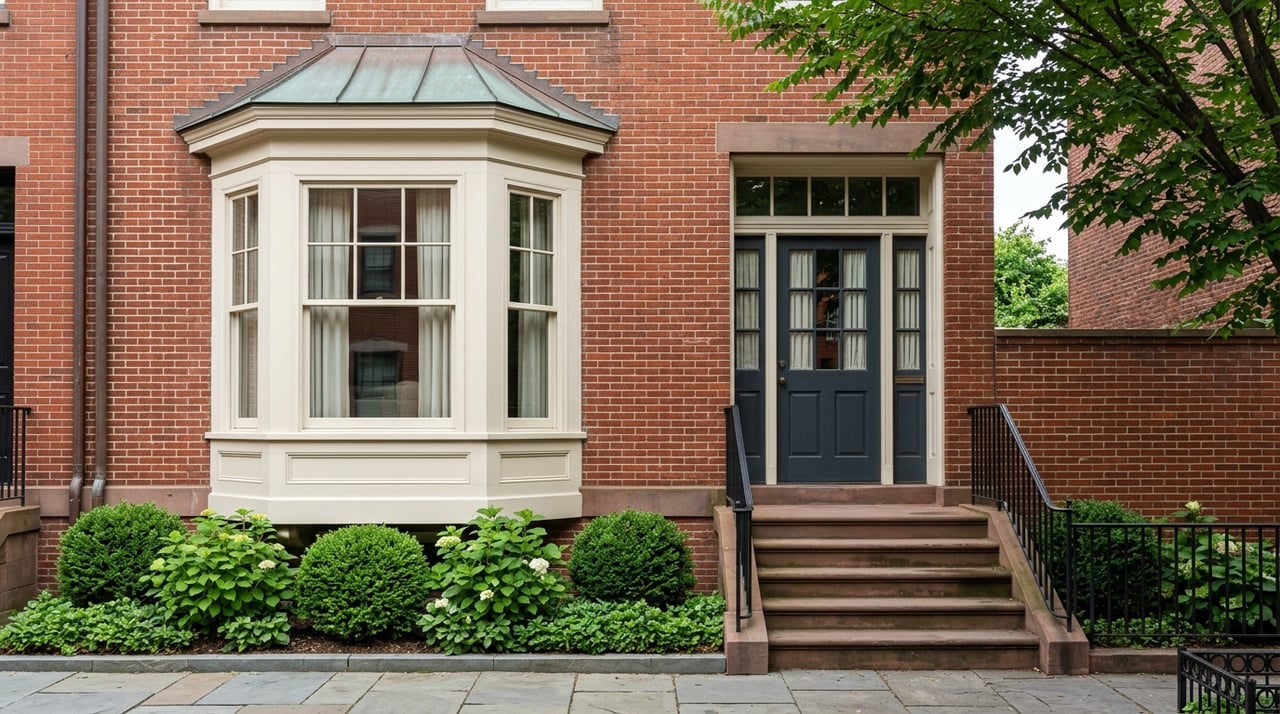
Victorians favor asymmetry, with complex rooflines, gables or turrets, decorative trim, and wrap porches. You may see shingle patterns, stained glass, and ornate millwork. Interiors often include formal parlors, detailed plaster, and higher main-floor ceilings.
What to inspect first
Complex roofs need careful review at valleys, dormers, and porches for potential leaks. Exterior millwork and trim require regular painting and repair to prevent rot. Ask about the condition of plaster and lath, electrical systems including any knob‑and‑tube, galvanized plumbing, foundation mortar, and chimneys.
Upgrades that fit the style
Start with the roof and flashing to keep water out. Use targeted insulation methods that protect historic materials, such as blown attic insulation without invasive wall drilling. Repair stained glass and trim where possible, and consider storm windows over full replacements. Upgrade electrical and HVAC systems with minimal impact to plaster and original trim.
Resale and staging tips
Victorian buyers love authentic details, so let them shine. De‑clutter ornate spaces so the craftsmanship reads clearly, and style the parlor and dining room to showcase their purpose. Many buyers worry about deferred maintenance; if you have addressed roofs, HVAC, and electrical, feature those improvements prominently. Restored mantels, bannisters, and stained glass provide strong perceived value when well maintained.
Tudor and Tudor Revival
How to spot a Tudor
Tudors have steeply pitched, cross‑gabled roofs, half‑timbering over stucco, and prominent chimneys. Brick or stone at the lower levels is common, and casement windows may have diamond panes. Arched doorways and a picturesque profile give Tudors a distinctive curb appeal.
What to inspect first
Moisture is the main concern where stucco meets half‑timbering. Look for hairline cracks in stucco, rot at timber elements, and failing mortar joints. Roof and chimney flashings are critical, and slate or tile roofs require trained specialists. Casement and leaded glass windows often need careful repair rather than wholesale replacement.
Upgrades that fit the style
Repoint masonry, repair stucco to match original texture, and restore flashings to prevent water intrusion. Insulate the attic and floors, and use discreet storm windows to boost performance while preserving window character. Plan modern heating or heat pump equipment placement to keep exterior appearances intact and avoid altering key architectural features.
Resale and staging tips
Tudor exteriors carry strong curb appeal in Newton’s historic villages. Keep half‑timbering, chimneys, and masonry in top condition. Inside, update kitchens and baths with materials that complement stone, wood, and plaster. Buyers tend to pay closer attention to homes that respect the style’s warmth and craftsmanship rather than adding ultra‑modern finishes that clash.
Mid‑Century homes
How to spot a Mid‑Century
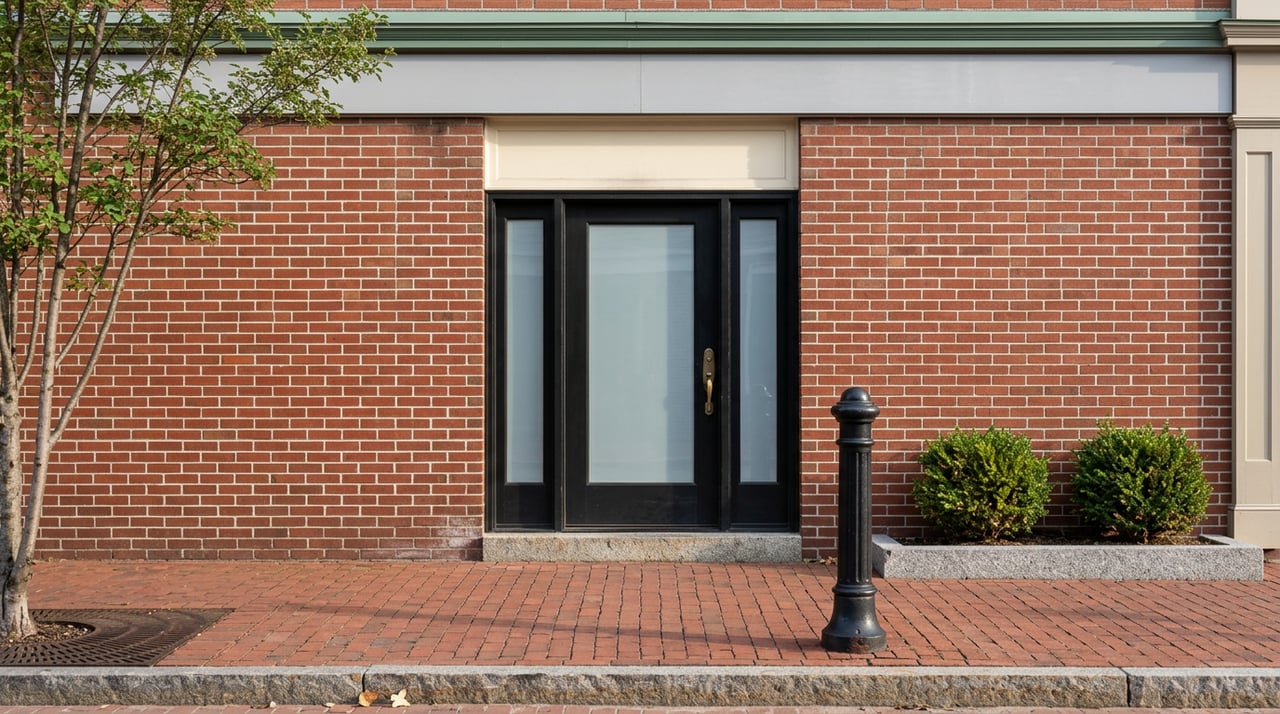
Mid‑Century designs feature low or flat roofs, large picture windows or glass walls, and open floor plans. Post‑and‑beam construction may be visible, with a strong connection to the landscape. Interiors emphasize simplicity, built‑ins, and long sightlines.
What to inspect first
Low‑slope roofs require careful attention to drainage, flashing, and roofing membranes. Original single‑pane windows and sliders can affect comfort and energy performance. Some homes include asbestos in flooring or insulation, older mechanical systems, and slab foundations or radiant heat with specific service needs.
Upgrades that fit the style
Renew roofing membranes with correct detailing for water management. Replace or enhance original glazing with high‑performance windows that respect sightlines, or add storm panels. Consider modern heat pumps, strategic air sealing, and balanced ventilation to improve comfort without changing the exterior profile. Address any hazardous materials with licensed professionals during renovation.
Resale and staging tips
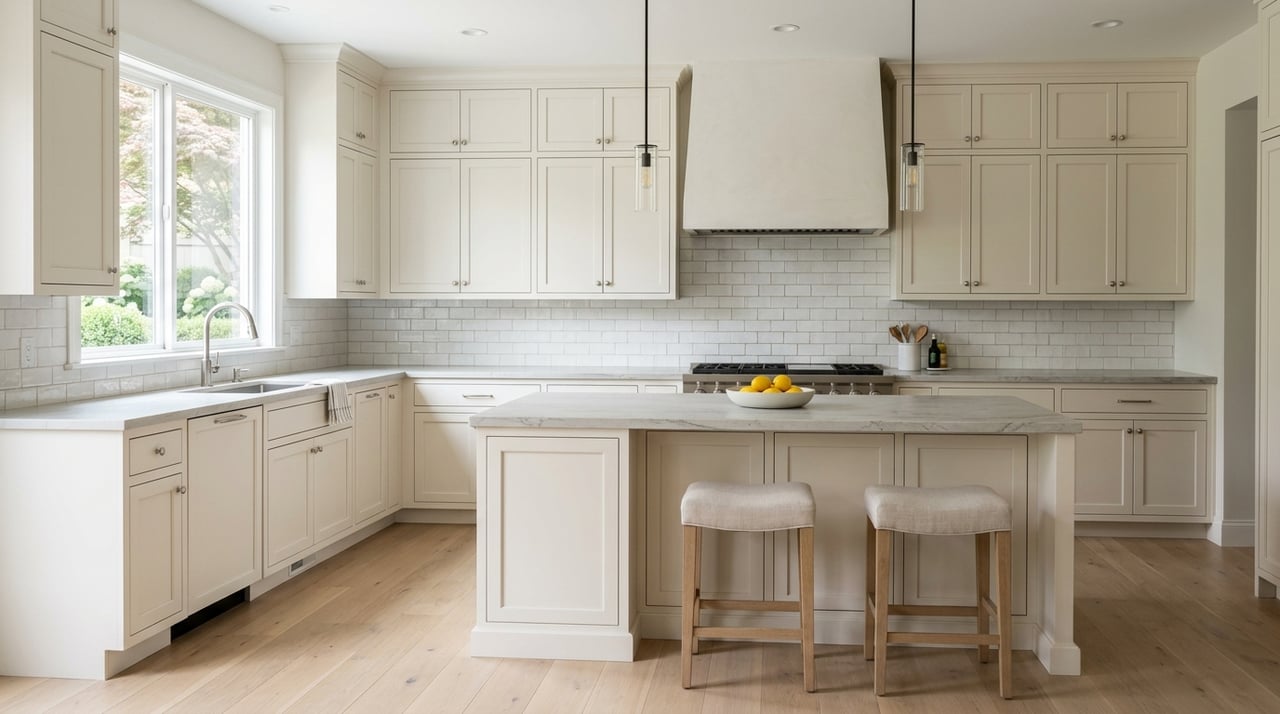
Highlight the open flow and indoor‑outdoor connection. Use low‑profile furnishings to preserve sightlines and emphasize natural light. Many Mid‑Century kitchens benefit from thoughtful reconfiguration that keeps the home’s clean lines. In your listing, note updates to roofing, windows, and mechanicals, since buyers often evaluate these costs first.
Buyer checklist for older Newton homes
- Review roof condition, flashing, and any complex intersections.
- Inspect foundations, signs of water intrusion, and chimney stability.
- Confirm electrical panel capacity and wiring type; ask about plumbing materials and heating fuel.
- Identify potential lead paint in pre‑1978 homes and any asbestos in flooring or insulation.
- Evaluate insulation levels and air leakage at windows, doors, and attic penetrations.
- Ask if the home is in a local historic district or subject to design review for exterior changes.
Seller prep priorities that pay off
- Fix fundamentals first: roof, gutters and drainage, visible water staining, and safe electrical service.
- Update kitchens and baths with durable, style‑appropriate finishes that respect period details.
- Modernize mechanicals where needed and retain documentation for buyers to review.
- Repaint and repair historic windows, doors, porches, and trim to strengthen first impressions.
- Stage to foreground the architecture: clean lines in Mid‑Century spaces, warm textures in Tudors, and balanced layouts in Colonials.
Marketing notes that resonate in Newton
- Emphasize preserved original features like mantels, millwork, and leaded glass.
- Call out recent system upgrades clearly: roof, HVAC, electrical, and structural work.
- Tailor the story by style: indoor‑outdoor flow for Mid‑Century, craftsmanship and detail for Tudors and Victorians, and symmetry and classic proportions for Colonials.
Working with specialists and planning improvements
Choose an inspector experienced with older properties. For complex issues, add a structural engineer, roof or chimney specialist, or a preservation architect as needed. Renovation financing options exist for larger projects, and energy incentives may help with insulation and heat pumps. When planning exterior work that is visible from the street, consult Newton’s Building Department and preservation authorities first to avoid surprises.
Bringing it all together
Newton’s historic homes are special because they combine architecture, streetscape, and story. If you respect the original design, address water and systems early, and choose upgrades that harmonize with the style, you will protect your investment and appeal to today’s buyers. Whether you are preparing to list in Chestnut Hill, mapping out a renovation in Waban, or touring a Victorian near Newton Centre, a clear plan will make each step smoother and more rewarding.
Ready to maximize your sale or find the right historic home? Partner with a locally rooted advisor who offers white‑glove presentation, professional staging, photography, and floor plans, plus targeted luxury marketing. For guidance that is tailored to your property and goals, connect with Judy Korzenowski and request your complimentary consultation and market valuation.
FAQs
How can I quickly tell Newton’s home styles apart?
- Colonials are symmetrical with double‑hung windows, Victorians are asymmetrical with decorative trim, Tudors show steep gables and half‑timbering, and Mid‑Century homes favor low roofs and large glass.
Should I replace original windows in an older Newton home?
- Not always; repair and add storm windows to preserve appearance and boost efficiency, and reserve full replacements for units that are too deteriorated to save.
Do I need special permits to change a historic home’s exterior in Newton?
- Possibly; check with the City’s Building Department and Historic District/Preservation Commission to confirm district status and any design review requirements.
Which upgrades give the best return for older Newton homes?
- Address roof and mechanical systems first, then invest in well‑designed kitchen and bath updates and energy measures like attic insulation and air sealing.
What hidden costs should I budget when buying a historic Newton property?
- Plan for potential lead or asbestos remediation, custom window or trim repairs, and higher costs for specialized materials like slate roofing or custom millwork.