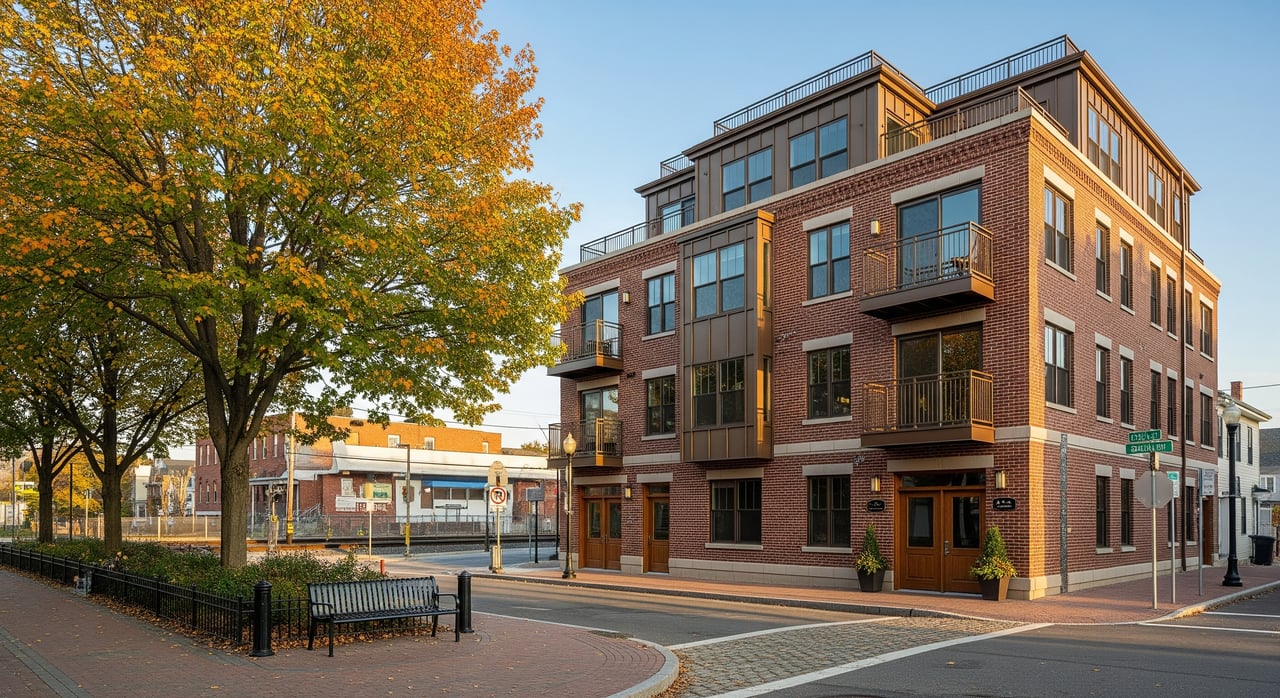
Are you looking at a small lot or older building near Natick Center Station and wondering what you can build? With new transit upgrades and clearer zoning, well-located small sites can unlock real value for owners, investors, and the community. In this guide, you’ll learn why the area is primed for growth, which rules matter most, project types that fit, and a simple checklist to assess any parcel. Let’s dive in.
Why Natick Center is primed
Natick Center Station recently underwent major accessibility and platform improvements that make arriving by train simpler and safer for riders. The project added higher platforms, elevators and ramps, and a pedestrian bridge that improves downtown access for daily life and dining. The MBTA project summary outlines the scope.
You also benefit from walkable context. The station area ties into the Cochituate Rail Trail and the downtown retail and cultural district, which supports ground-floor uses and daily amenities within a short walk. The town’s Transit page highlights these connections.
What current zoning enables
Massachusetts’ MBTA Communities law requires towns with transit to create at least one district that allows multi-family housing by right within a half mile of a station. This sets a clearer path for small-site housing near Natick Center. You can read the statute at M.G.L. c.40A §3A.
Natick centered compliance around Natick Center using the Downtown Mixed-Use (DM) and Center Gateway (CG) districts. The town received interim compliance acknowledgement and aligned regulations so that more multi-family and mixed-use projects can proceed by right with site plan review. See the town’s overview of MBTA Communities in Natick and the Zoning Bylaws for details.
For homeowners, Natick now permits Accessory Dwelling Units as of right with a defined process. Notably, within 0.5 mile of a commuter rail station, the town cannot require off-street parking for an ADU. That flexibility can make an extra unit feasible on a tight lot. Review the ADU rules before you plan.
Small-site opportunities to watch
Infill mixed-use
Look for former institutional lots, underused surface parking, or mid-block commercial parcels. These sites often support retail or food on the ground floor with 2 to 4 stories of apartments or condos above. Local precedent suggests scales from about 10 to 60 dwellings depending on lot size and height.
Small multifamily over retail
Narrow downtown lots and upper floors above existing storefronts can deliver 3 to 12 rental or condo units. These projects preserve street-level activity while adding much-needed housing near the station. They also tend to carry lower soft costs than larger builds.
Townhomes and duplex infill
Rear-lot or lane-edge parcels can fit compact duplexes or a short row of townhomes. Proximity to commuter rail may allow lower parking needs per unit, improving site efficiency.
ADUs for homeowners
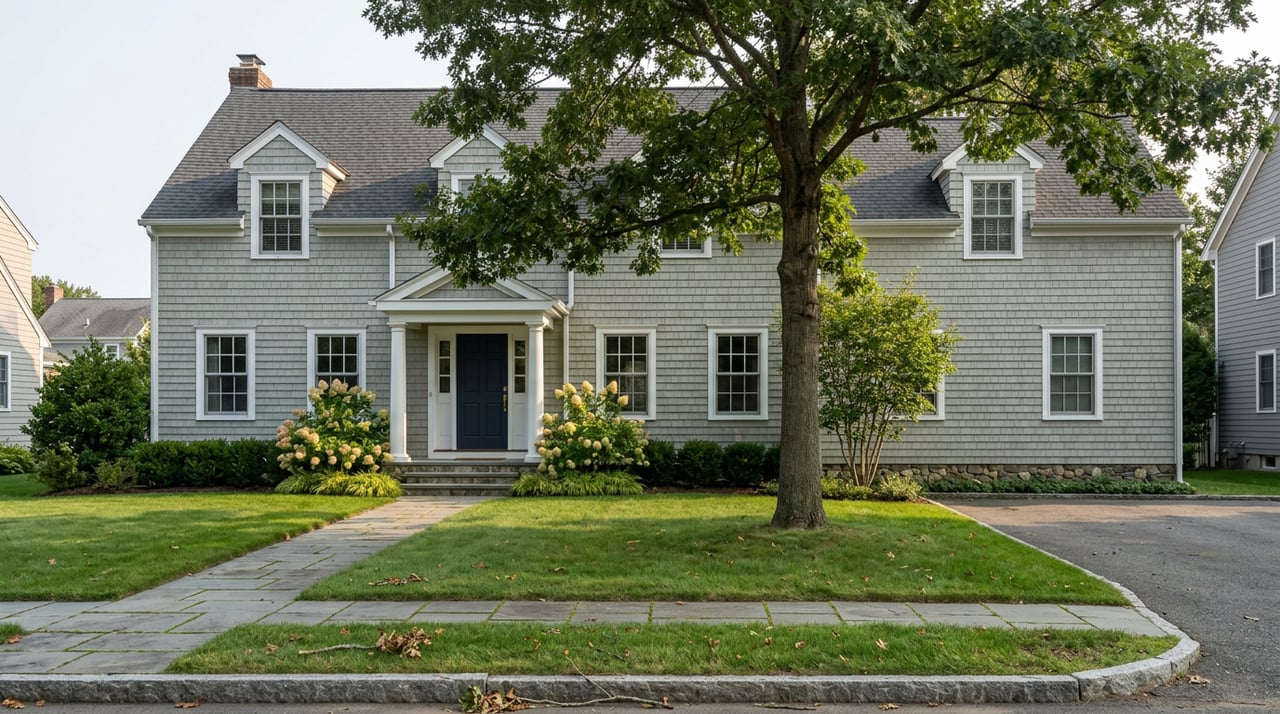
If you own a house within a half mile of Natick Center Station, an ADU can add flexible space for multi-generational living or rental income. The no-parking-required rule inside this radius further reduces barriers. Start with the bylaw, then confirm your lot’s specifics with the town.
Adaptive reuse in historic blocks
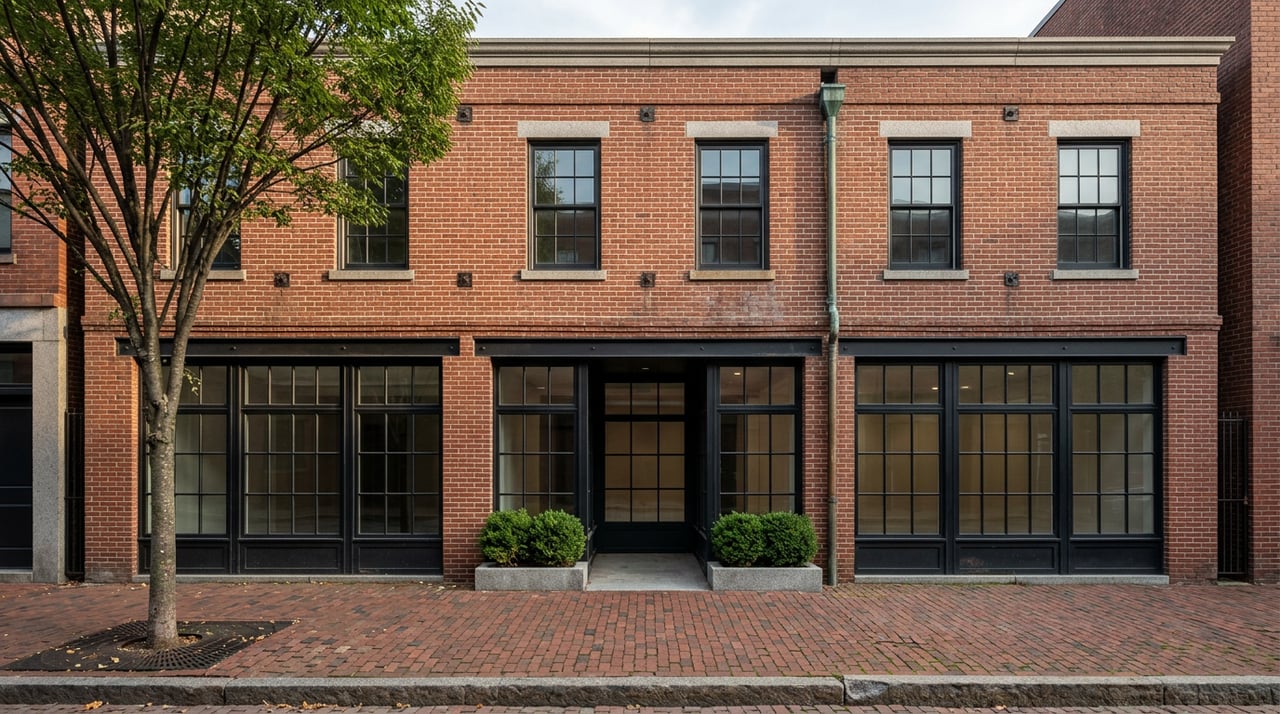
Converting upper floors of older commercial blocks into apartments is common in Natick and helps sustain downtown vitality. If your building sits in a historic district, plan for design review by the Historic District Commission. The town outlines those areas on its Historic Districts page.
Real-world precedents near the station
Stonegate St. Patrick (45 East Central Street)
A mixed-use redevelopment delivered roughly 46 apartments above ground-floor retail and restaurant space, plus a small set of townhomes. The project used a comprehensive permit approach with a defined affordable component and shows how mid-block institutional parcels can become dense, walkable housing. See local coverage of Stonegate St. Patrick.
21 Summer Street
This four-story infill building added 13 apartments with ground-floor retail on a compact downtown parcel. It used modern construction and underground parking to fit the site. The project demonstrates what thoughtful mid-rise infill can achieve downtown. Read about 21 Summer Street.
Key constraints and how to plan for them
- Parking and access. Station and town parking are limited, so small projects should plan for reduced on-site parking, shared arrangements, or compact structured solutions on larger small sites.
- Historic character and design. In historic areas, exterior changes, materials, and massing face review. Respectful design typically moves faster through approvals. Check Historic Districts early.
- Environmental and utilities. Stormwater standards, wetlands, and aquifer protection can shape footprints and add costs. Review thresholds on the Stormwater permit page and confirm constraints before schematics.
- Permitting pathway. In DM/CG, by-right with site plan review can be faster than a comprehensive permit, though some teams still choose 40B for affordability or density tradeoffs. Early pre-application meetings reduce surprises.
- Costs and timing. Small projects are sensitive to per-unit construction and soft costs. Efficient unit mixes, parking reductions, and modern building systems can improve feasibility.
Step-by-step checklist to assess a small site
- Locate and size
- Identify parcels within 0.5 mile of Natick Center Station. Confirm district (DM or CG), lot size, frontage, and any overlays.
- Use and capacity screen
- From the Zoning Bylaws, confirm allowed uses, height, and FAR. Decide whether the path is by right with site plan review or needs a special permit or comprehensive permit.
- Site constraints
- Check historic district status and any wetlands, aquifer, or stormwater triggers. Note easements, loading, and utility access points.
- Parking strategy
- Estimate realistic demand and reduction potential given transit. For single-family lots, confirm whether ADU rules apply and whether parking can be minimized under the half-mile provision. Review the ADU guidelines.
- Community and permitting engagement
- Schedule a pre-application with town staff to align on process, timing, and any affordability requirements or incentives.
- Feasibility and concept design
- Build a tight pro forma that includes site work, stormwater, historic review, and carrying costs. Test compact unit mixes and construction approaches that fit the parcel and budget.
Who benefits from small-site projects
- Homeowners. An ADU or a sensitive duplex conversion can add flexibility and long-term value without changing the look of the street.
- Small developers and investors. Infill, upper-floor conversions, and small multifamily can serve predictable renter demand near transit and amenities.
- Local businesses. More residents downtown support retail, restaurants, and cultural venues throughout the week.
Ready to explore a specific site or discuss the best path for your goals in MetroWest? For confidential guidance and a polished, end-to-end plan to maximize value, connect with Judy Korzenowski.
FAQs
What does “by right” mean in Natick’s DM/CG districts?
- It means multi-family or mixed-use can be approved through site plan review without a special permit if your proposal meets the district’s standards.
Are parking spaces required for ADUs near Natick Center Station?
- No, Natick cannot require off-street parking for ADUs within 0.5 mile of a commuter rail station under the town’s ADU rules.
Can I convert upper floors above a downtown storefront into apartments?
- Yes, this is a common small-site strategy; confirm if the building is in a historic district and plan for Historic District Commission review.
How big can a small-site mixed-use project be downtown?
- Local precedents suggest roughly 10 to 60 dwellings depending on lot size, height, and design, with retail or restaurant space at street level.
What’s the fastest permitting path for a small infill building?
- In DM/CG, a by-right proposal that meets standards and proceeds through site plan review is typically quicker than a comprehensive permit.
What should I check first on a potential parcel?
- Confirm the district (DM or CG), allowed uses and height, any historic or environmental constraints, and a realistic parking strategy tied to transit access.